
The Best Free DMARC Tools in 2026 (Generators, Checkers, Analysers)
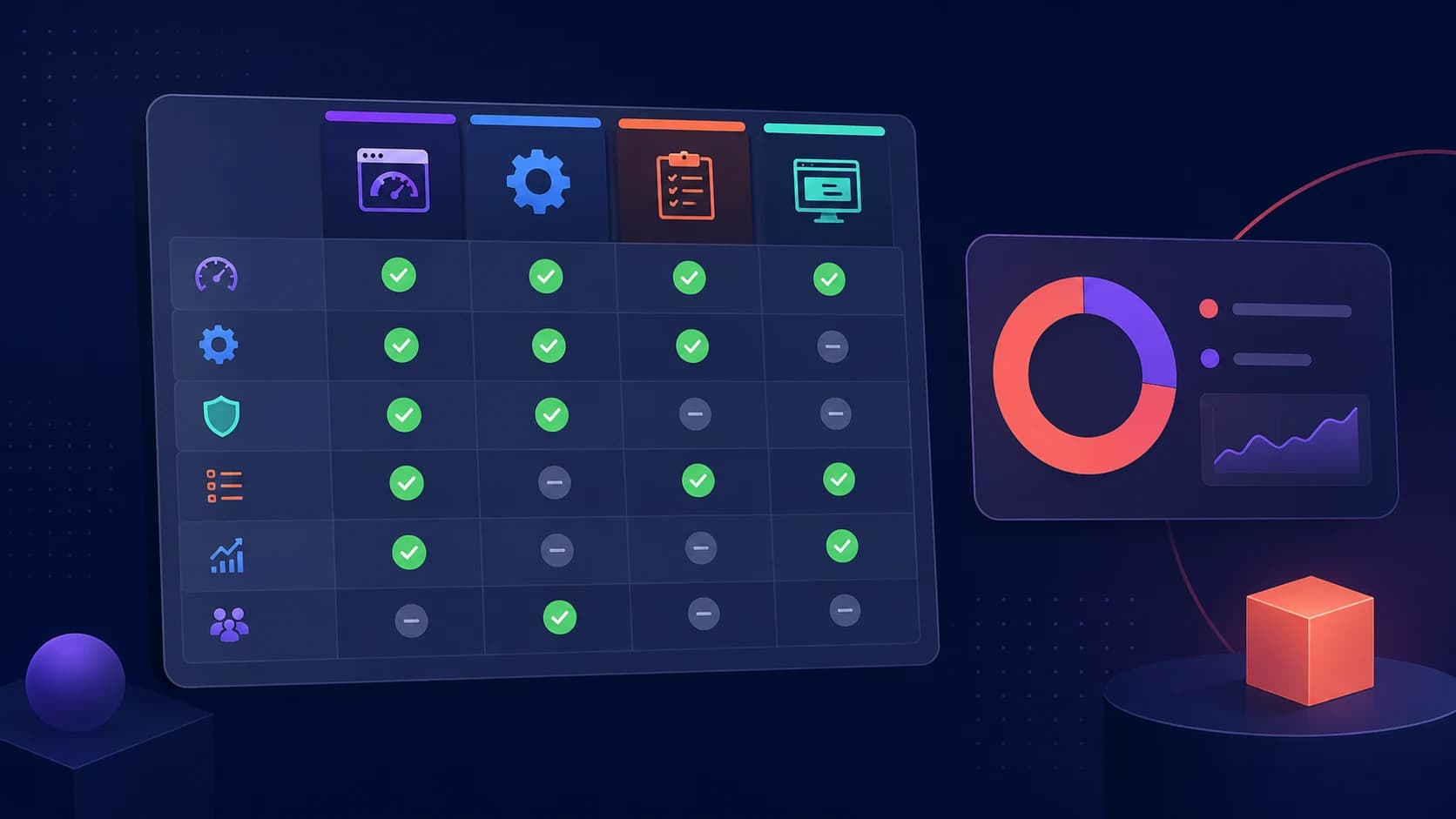
Search “free DMARC generator” and you get a wall of near-identical pages. They are not interchangeable, because DMARC has three distinct problems and most tools only solve one:
- Generating a valid record in the first place
- Checkingthat what’s published is correct
- Analysing the XML reports that arrive afterwards
Get the category right and the choice gets easy. Current as of August 2026.
1. Record generators
A generator turns your intent (“monitor only, send reports here”) into a valid TXT record. This is the easiest category to build, which is why there are so many, and they mostly produce the same output.
What actually differentiates them: whether they explain the trade-offs of p=none vs quarantine vs reject, whether they set a sane pct, and whether they warn you that the record belongs at _dmarc.yourdomain.comrather than the apex — which is the single most common mistake we see.
Our take: use Zeqo’s DMARC record generator — it’s free, needs no signup, and explains each tag as you choose it. MXToolbox and EasyDMARC both have solid free generators too. Honestly, for this step, any reputable one will do.
2. Checkers and validators
A checker reads what’s actually published and tells you whether it parses, whether it aligns with your SPF and DKIM, and whether the policy is doing anything. This matters more than generation, because most broken domains have aDMARC record — just one that’s misaligned or stuck at p=none forever.
Look for a checker that validates the whole authentication triangle rather than DMARC in isolation. A DMARC record is meaningless if SPF and DKIM don’t align with the From domain.
Free options worth using: Zeqo’s DMARC checker, MXToolbox’s DMARC lookup, and the free checkers from the major DMARC platforms. If you want SPF, DKIM, DMARC, MX, SSL and blacklists in one pass, use the full email check.
3. Report analysers
This is where free tiers get thin, and for a legitimate reason: ingesting and storing aggregate XML reports is an ongoing cost, not a one-off computation.
Nearly every platform — dmarcian, EasyDMARC, Postmark’s DMARC Digests, Valimail, and others — offers some free or low-cost entry point for a single domain, then charges as you add domains or need history. If you need to reach p=reject on an important domain, this is the category worth paying for. See DMARC reports explained for how to read them.
Where free tools stop being enough
Free tools are point-in-time. They answer “is this correct right now?” and then forget you exist. That’s fine for one domain you personally own and think about.
It stops working when:
- You manage more than about five domains — manual checks stop happening
- Someone else can edit the DNS — and will, without telling you
- You need to prove to a client that things are fine, repeatedly
- You need to know about a break in hours rather than at the next campaign
Every deliverability incident we’ve seen at agencies follows the same arc: it was fine when someone last checked, nobody checked again, and it surfaced weeks later as “our emails aren’t arriving.” No generator prevents that — only a scheduled check does.
Recommended stack
- Setting up a new domain: DMARC generator + SPF generator
- Debugging one domain: full email check or MXToolbox
- Going to p=reject: a dedicated report analyser
- Managing many client domains: Zeqo Mail— scheduled checks, alerts on change, shareable client reports
Related reading: Zeqo Mail vs MXToolbox and SPF, DKIM & DMARC explained.
Check your domain in seconds
Choose your policy and reporting options and we’ll build a valid DMARC TXT record for _dmarc.yourdomain.com — with safe defaults so you start monitoring without blocking real mail.